
The allegations involving Tom Goodhead and Pogust Goodhead have attracted wide attention because they combine leadership change, financial pressure, governance concerns, and major group litigation. The matter has become especially sensitive because the firm has handled large claims involving thousands of clients and substantial litigation funding.
Why Tom Goodhead’s Departure Became A Major Issue
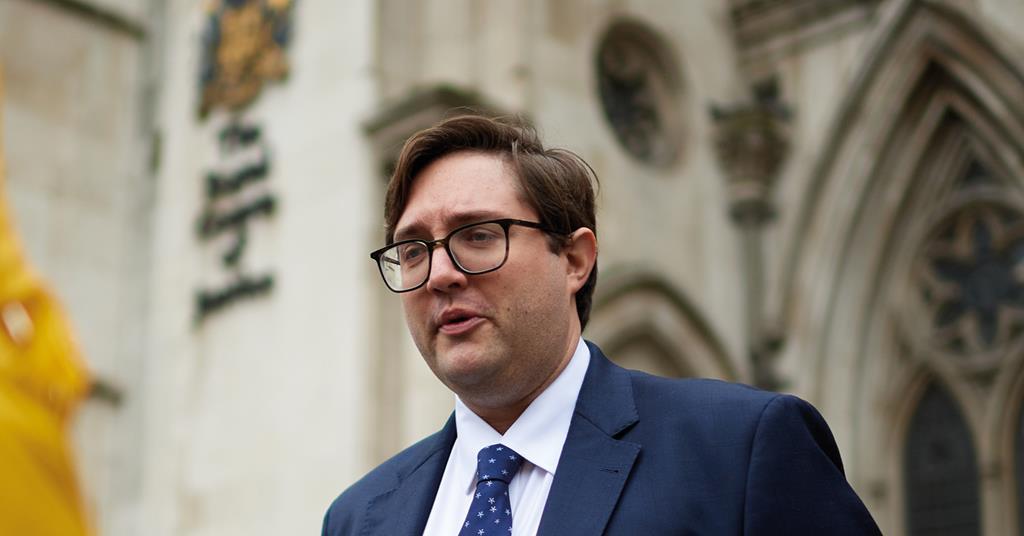
Tom Goodhead was one of the most visible figures associated with Pogust Goodhead’s rise as a class action and group litigation firm. His leadership was closely connected with the firm’s public image, rapid expansion, and involvement in high value international claims.
The story intensified when reports said that Goodhead had left or been removed from key leadership positions. The phrase Quits the class action firm became central to public discussion because it suggested a serious break between the founder and the business he helped build.
When a founder exits during a period of scrutiny, it naturally raises questions. Clients may worry about continuity, employees may question internal stability, and funders may focus more closely on governance, spending, and risk management.
What Has Been Reported So Far?

Reports around the controversy have focused on allegations connected to spending, financial oversight, leadership decisions, and internal governance. Some coverage has also discussed tensions between the firm and litigation funders, especially because large group claims often require major financial backing before any settlement or judgment is reached.
It is important to treat these allegations carefully. Public claims, media reports, and internal disputes do not automatically prove wrongdoing. Goodhead has denied misconduct, while the firm has sought to present leadership changes as part of a wider move toward stability and stronger management.
The controversy also comes at a sensitive time for Pogust Goodhead because the firm is linked with major legal actions. Any uncertainty around leadership or funding can create reputational pressure, even if legal teams continue working on active cases.
Why The Situation Matters For Clients And The Legal Sector

For clients, the most important question is whether ongoing claims remain protected. People involved in group litigation need clear communication, reliable legal representation, and confidence that deadlines and strategy will not be disrupted by internal issues.
For the wider legal industry, the case highlights the risks that can come with rapid expansion and third party funding. Litigation funding can help claimants pursue powerful defendants, but it also requires strict financial controls, transparent governance, and careful leadership.
The situation may lead to closer scrutiny of how claimant law firms are funded, how expenses are managed, and how boards respond when allegations arise. In high value litigation, trust is just as important as legal expertise.
Conclusion
The Tom Goodhead allegations remain a developing and disputed matter. What has been reported so far points to a wider debate about leadership, funding, governance, and accountability at Pogust Goodhead. Until verified outcomes are clear, the issue should be assessed with caution and attention to confirmed facts.