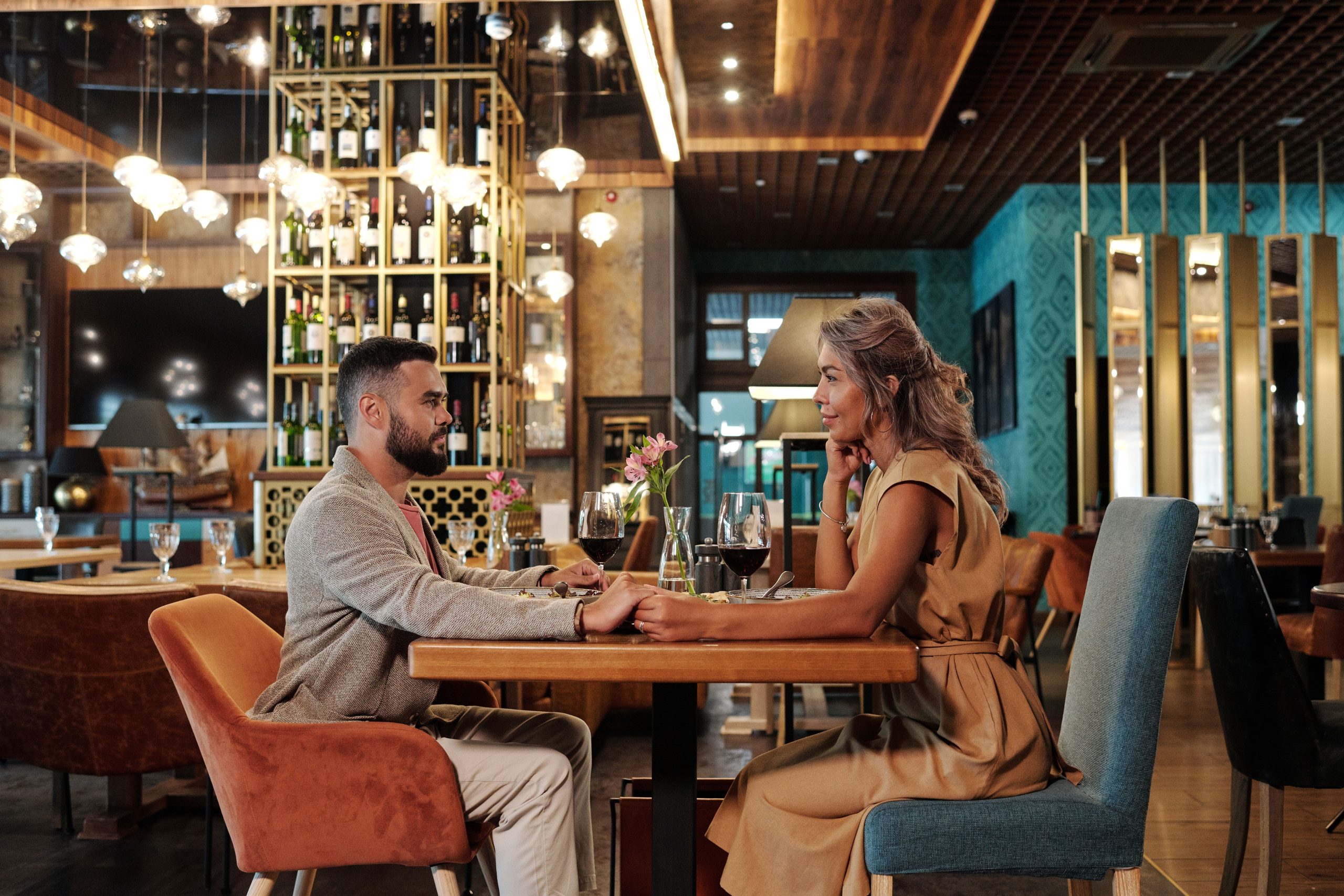
A date can have the right reservation, the right wine, even a room dressed for an anniversary-and still feel strangely impersonal. Luxury hospitality offers a better measure of a perfect evening: not how much was arranged, but how carefully the experience responds to the people in it.

Begin with a welcome, not a performance
In a good hotel, arrival is a transition. Staff notice whether a guest wants a quick check-in or a little guidance; they offer help without making the guest feel managed. A date benefits from the same light touch. Be on time, greet your companion warmly, and make the first few minutes easy. Put the phone away. Don’t open with a checklist of the night’s expensive reservations.
The Ritz-Carlton’s published service standards make a useful distinction: greet sincerely, anticipate needs, then close warmly. That is a structure for attention, not a script to recite. On a date, anticipation might simply mean choosing a meeting place that is easy to find or remembering that your companion prefers a quiet table.
Personal beats elaborate
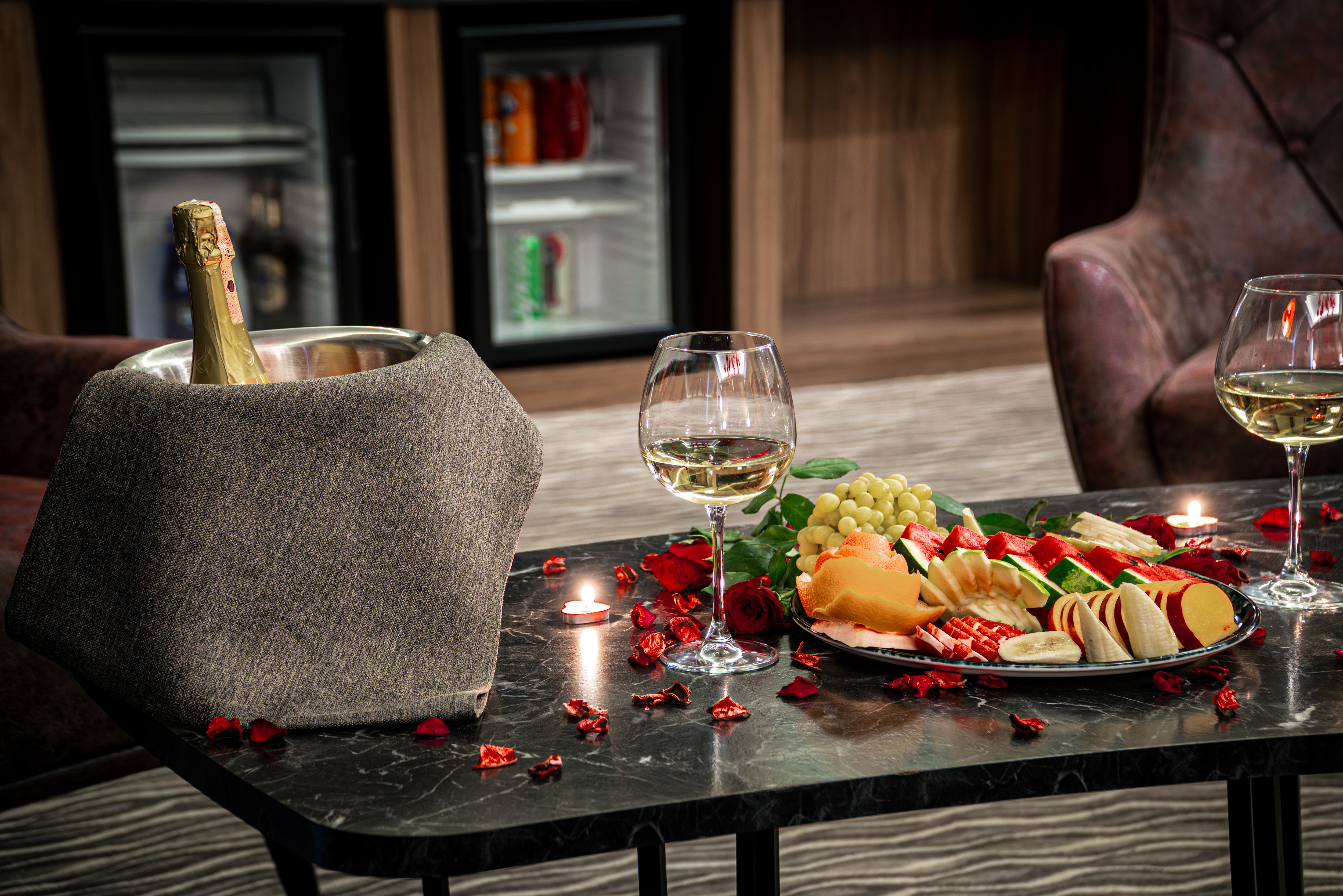
A welcome drink or a small treat can feel thoughtful when it connects to a person; without that connection, it is just décor. Luxury hotels use amenities to set a mood, but the best gesture is often modest: choose a place because your date mentioned its music, arrange a ride home, or ask about dietary needs before making a reservation. If you are unsure, ask rather than guess. A surprise should delight the recipient, not demonstrate the planner’s effort.
There is a practical reason not to over-script the evening. A Cornell hospitality study on service encounters found that guests could detect scripted behavior, and heavy scripting in a customized concierge interaction weakened perceived service quality. The lesson translates neatly: plan the logistics; leave room for the conversation to be spontaneous.
Set the scene, then let it breathe
Lighting, sound, comfort, and privacy influence how an evening feels, but atmosphere cannot carry a date by itself. A candlelit table is lovely; a table so loud that neither person can finish a thought is not. Choose a setting that supports the kind of evening you want, and resist packing it with one more stop just because it is available.
For readers in Munich considering a professionally arranged evening, an escort München service is one example where clear communication about timing, setting, and preferences matters from the outset. Whatever the arrangement, comfort and boundaries are not fussy details; they are part of good hosting.
The best luxury is attention
Luxury hospitality can make a polished evening look effortless, but the feeling comes from dozens of small decisions made in response to guests. McKinsey’s reporting on leading hotels similarly emphasizes attentive service and personalization, while warning that learning about guests should never feel intrusive. In dating, that boundary matters: listen to what someone volunteers; don’t treat a first evening as permission to investigate their life.
I would choose a simple plan that leaves space to talk over an elaborate itinerary with no breathing room. Make one reservation, think through the practical details, and stay curious about the person across the table. If the conversation changes the plan, let it. The lasting impression is rarely the rose petals or the room upgrade. It is the feeling that someone paid attention-and never made attention feel like a transaction.