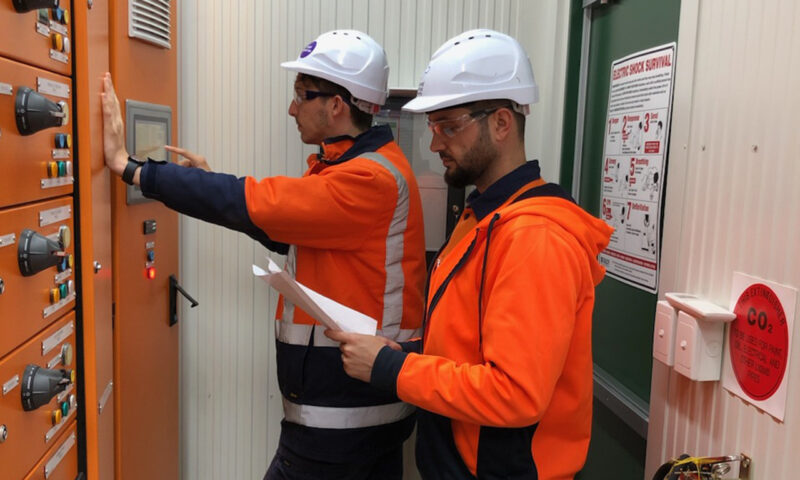
High-voltage engineering services are essential for the successful delivery of complex electrical infrastructure projects. From initial feasibility studies to final commissioning, these services ensure that systems are designed, installed, and operated safely and efficiently. High-voltage environments demand precise planning, strict compliance with standards, and expert technical execution to support reliable power transmission and distribution.
From Feasibility Studies to Detailed Design
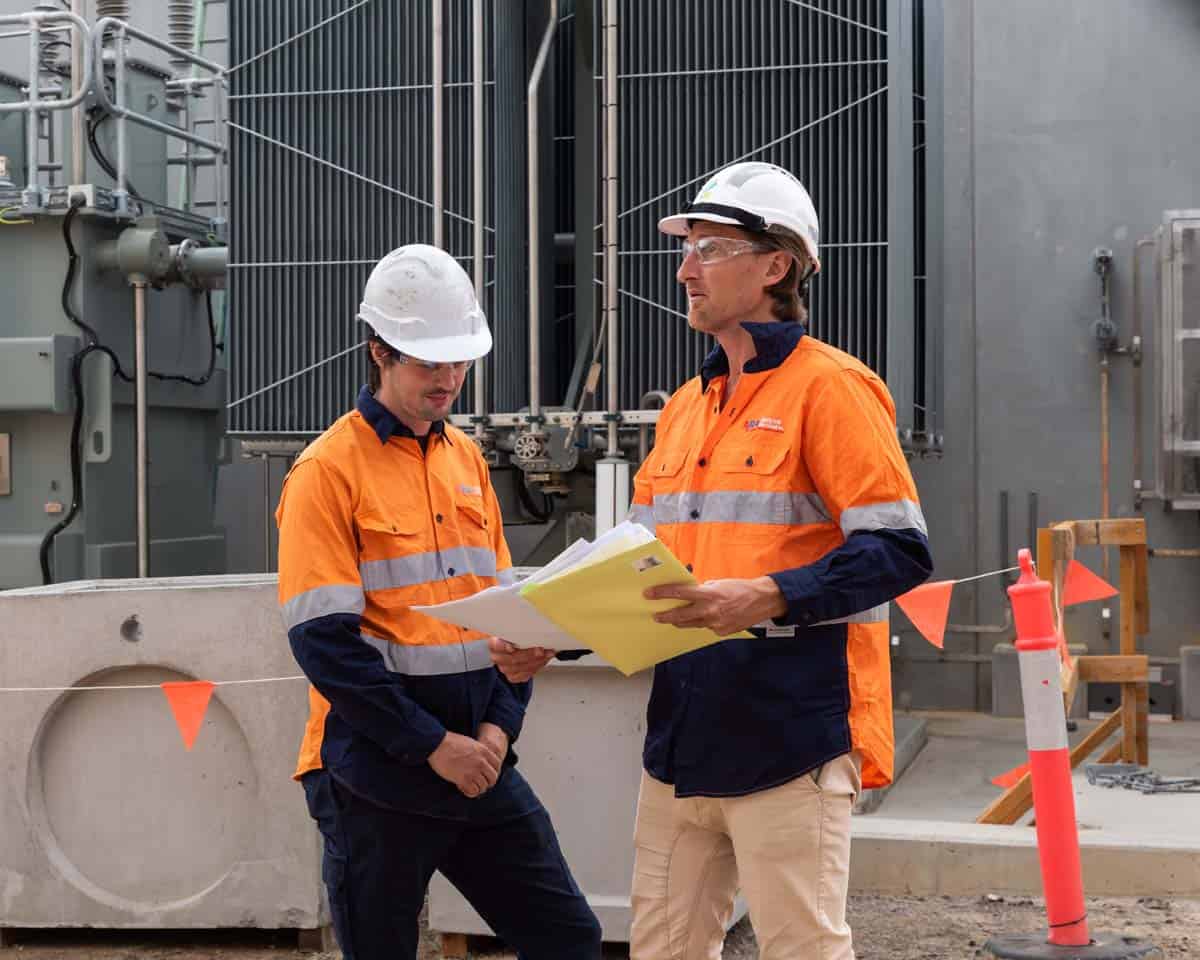
Every high-voltage project begins with a thorough feasibility assessment to evaluate technical requirements, environmental considerations, and cost effectiveness. Engineers analyze load demands, site conditions, and system integration challenges to determine the most suitable approach. This early stage is critical for identifying potential risks and ensuring that the project is viable before moving forward.
Once feasibility is confirmed, the process moves into detailed design. This includes specifying equipment, designing layouts, and planning protection systems. Engineers must consider factors such as insulation, fault levels, and system stability to create a robust and efficient solution. A well structured design phase lays the foundation for successful implementation and long term performance.
Construction and Integration of Harmonic Filters
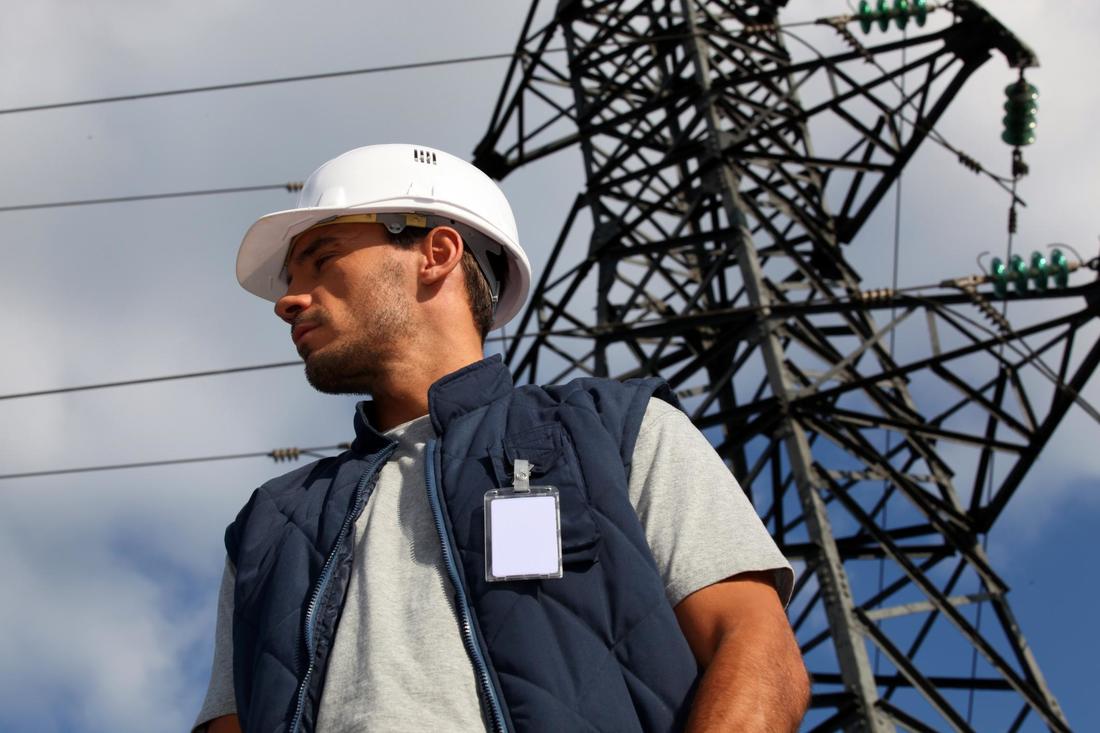
During the construction phase, it is essential to understand the importance of harmonic filter construction in maintaining power quality and system stability. Harmonics can be introduced by non linear loads and modern electrical equipment, potentially causing overheating, equipment malfunction, and reduced efficiency across the network.
Harmonic filters are designed to reduce these distortions and ensure that voltage and current waveforms remain within acceptable limits. Proper installation and integration of these systems help protect transformers, cables, and other critical components. By addressing harmonic issues early in the construction stage, engineers can improve reliability and extend the lifespan of electrical infrastructure.
Testing, Commissioning and Operational Readiness

Before a high-voltage system becomes fully operational, it must undergo rigorous testing and commissioning. This phase ensures that all components function as designed and that safety systems are fully operational. Engineers perform inspections, verify protection settings, and simulate real operating conditions to confirm system performance.
Commissioning also involves documentation, compliance checks, and coordination with operational teams. A structured approach helps identify and resolve any remaining issues before the system is energized. This reduces the risk of unexpected failures and ensures a smooth transition from construction to full operation.
Conclusion
High-voltage engineering services provide a complete framework for delivering safe, efficient, and reliable electrical systems. From feasibility and design to construction and commissioning, each phase plays a vital role in project success. By addressing key elements such as harmonic control and system testing, engineers can ensure long term performance and stability in even the most demanding environments.